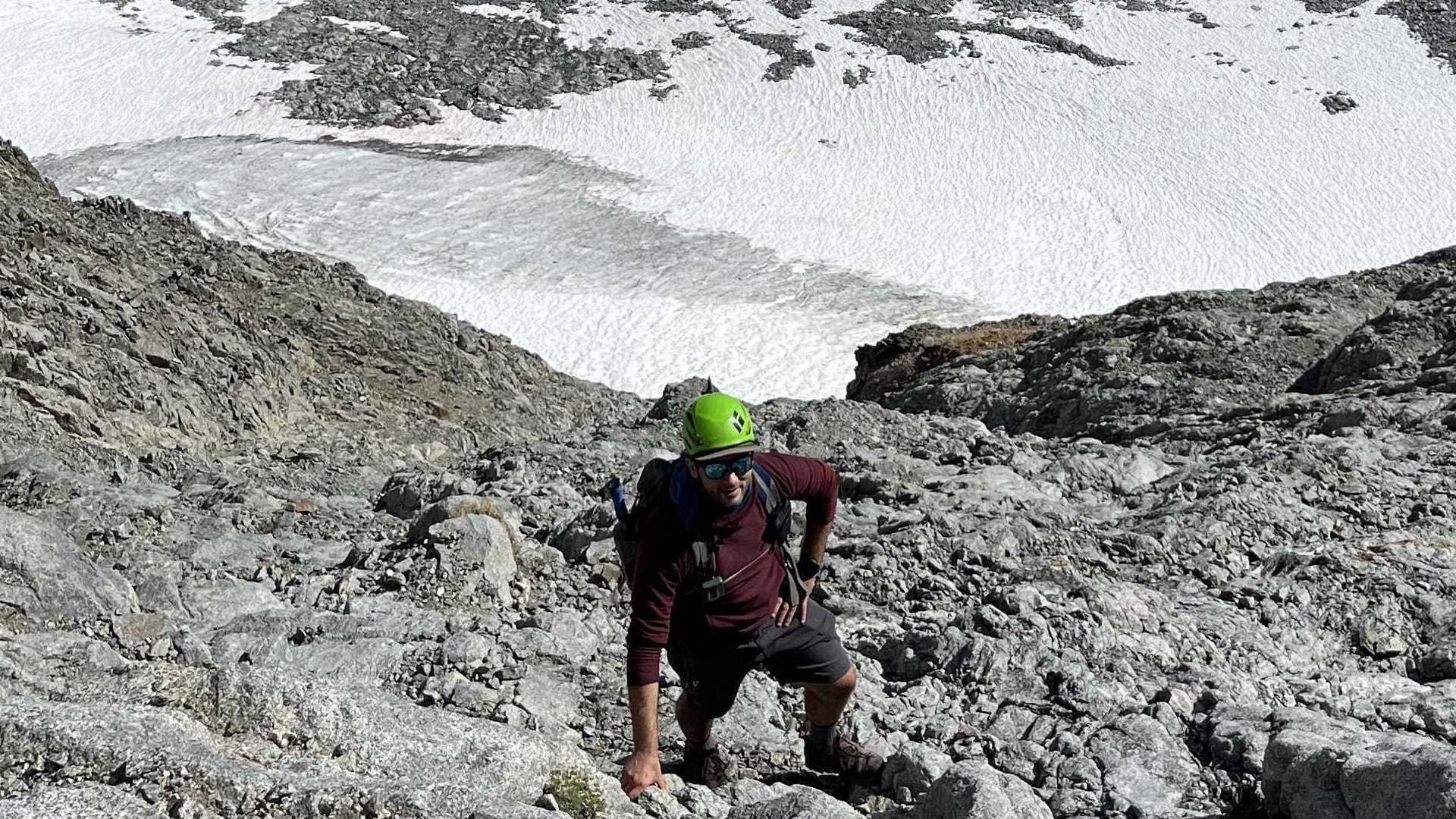
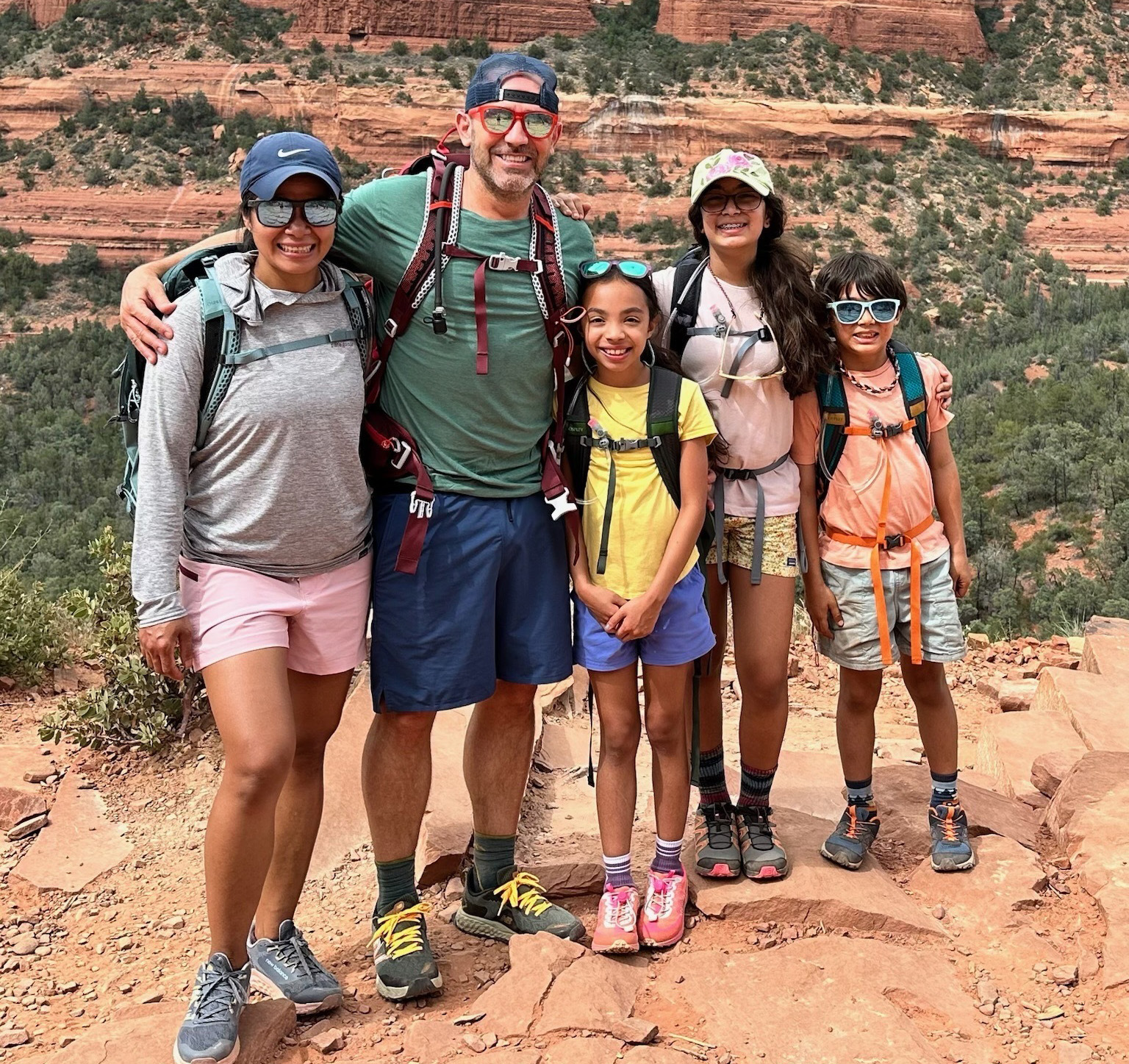
Meet Neha Viswanathan, Senior Software Engineer at CrossnoKaye
In this edition of our Employee Highlight Series, we’re featuring Neha Viswanathan, Senior Software Engineer on the Platform Team. As she approaches three impactful years at CrossnoKaye, Neha reflects on her evolution as an engineer, what technical excellence looks like in practice, and the role curiosity has played along the way.
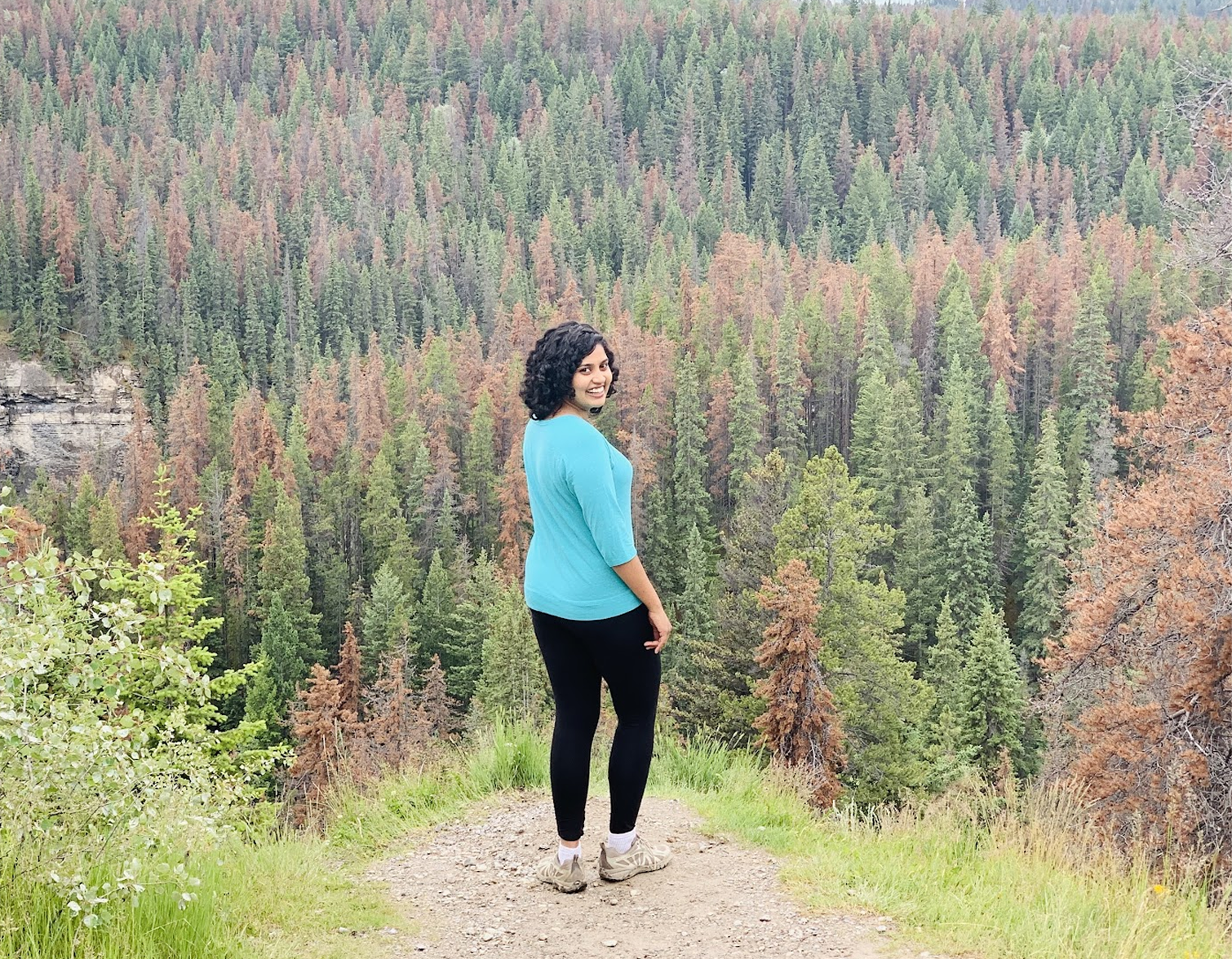
Can you tell us a little about yourself and what you do here at CrossnoKaye?
I’m Neha, a Senior Software Engineer on the Platform Team. I joined CrossnoKaye just under three years ago. When I started, I was the fourth person on the Platform Team. We were a small group, and I began by working on smaller bug fixes to familiarize myself with the platform, the company, and the technology stack.
Over time, I’ve come to deeply appreciate the impact of the work we do. For example, I’m currently focused on the rate system. The work I do directly contributes to helping our customers save money, which ultimately drives meaningful outcomes for the business.
For someone reading this who might be outside of engineering, can you explain what the Platform Team does?
ATLAS is an energy management platform that helps industrial facilities understand and optimize how they use energy.
The Platform Team builds and maintains the core infrastructure that makes ATLAS work as one unified system. Think of us as the behind-the-scenes engineers who create a shared foundation - the rules, connections, and data pipelines - that all other teams build on top of. By keeping this foundation reliable, secure, and scalable, our team makes it possible for our Product teams to launch new features faster and more consistently across ATLAS.
How would you describe the engineering culture at CrossnoKaye?
What I appreciate most about the engineering culture here is the level of support and challenge. Teammates welcome questions and challenge your assumptions. They encourage you to think beyond a linear solution and consider edge cases and broader criteria. That constant raising of the bar pushes all of us to arrive at better outcomes.
It’s also truly an open door culture. You can reach out to our CTO, Raphael, or any of the executive team, and they are genuinely happy to respond. That kind of accessibility is incredibly motivating.
How has your role evolved since you joined CrossnoKaye; what has growth looked like for you?
When I first joined, I relied heavily on my teammates to validate that I was working on the right things. My focus was on understanding the platform and building confidence within the system.
As I grew more comfortable, I moved from small bug fixes to building independent services. With that shift came a broader perspective, where I was encouraged to think beyond the immediate technical problem and consider the bigger picture.
That shift in thinking has been the biggest evolution for me. Today, I approach problems by considering scalability, cross-functional impact, and long-term growth. We operate in the food and beverage industry today, but we’re thinking about how our platform will expand into new verticals tomorrow. Being part of that chain, from managing complex data to seeing how it ultimately impacts customers, is something I’m incredibly proud of.
What does technical excellence mean to you in your day-to-day work?
To me, technical excellence means building systems that are reliable, maintainable, and scalable.
Decisions that worked two or three years ago may not serve us today as we grow, add more services, and onboard more customers. Excellence requires the willingness to revisit past decisions and invest in better long-term solutions. It’s also about maintainability. We should not be patching around past shortcuts. Instead, we should be building thoughtful systems that stand the test of time.
What is a recent project that has felt especially meaningful?
Recently, I’ve been heavily focused on our rate system. This involves working with different energy providers and enabling our Science Team to build models that help customers save on electricity costs. The work directly impacts both customer savings and environmental outcomes.
Customers are not just using ATLAS to visualize data. They are using it to make smarter energy decisions that reduce costs and, in turn, reduce environmental impact. That combination: financial savings + environmental responsibility, feels like a meaningful win.
What are you most excited to build or own next?
There are several things I’m excited about.
First, the potential expansion into new verticals and geographies, including Canada and Europe. It’s exciting to think about how ATLAS can scale and serve broader markets.
Personally, I’m working toward owning a domain more fully, particularly within the rate system. I hope to become a subject matter expert in rates, someone who deeply understands the system and can continue strengthening its impact on ATLAS and our customers. Working with our Product Science Teams on rates has been incredibly rewarding, and I look forward to working on similar cross-collaborative initiatives.
You've mentioned how much you've learned from mentors and teammates. What advice would you give women early in their engineering careers?
Impostor syndrome is real. The first thing I constantly remind myself is that I belong here. I’ve done the work. I deserve to be in the room.
Second, never stop asking questions. There is often an internal fear that a question might sound “dumb,” but that is rarely true. Clarifying questions are powerful. I’ve learned this from my manager, Neenu, who is incredible at asking thoughtful and precise questions. That habit not only improves technical decisions, but it builds confidence.
Don’t be afraid. You deserve to be here. Ask the question.

Stay Connected
Subscribe to stay in the loop on the latest industry news.
Related Posts