Meet Michael Sankur, Senior Scientist at CrossnoKaye
In this edition of our Employee Highlight Series, we're featuring Michael Sankur, Senior Scientist, on the Applied Science Team. One year into his time at CrossnoKaye, Michael reflects on his journey from Lawrence Berkeley National Lab to building live, real world energy systems, and what’s surprised him most about industry work.
About Michael
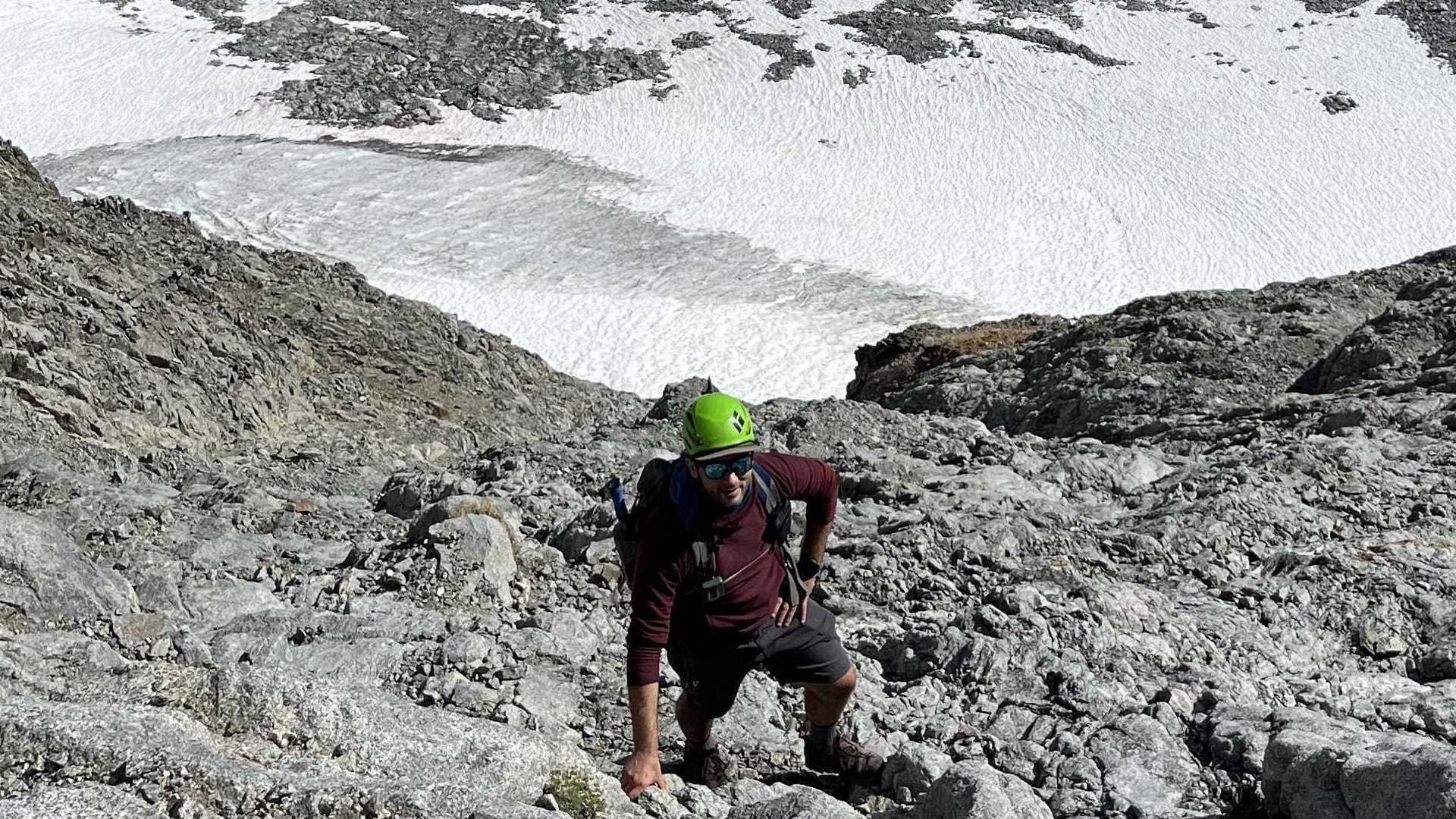
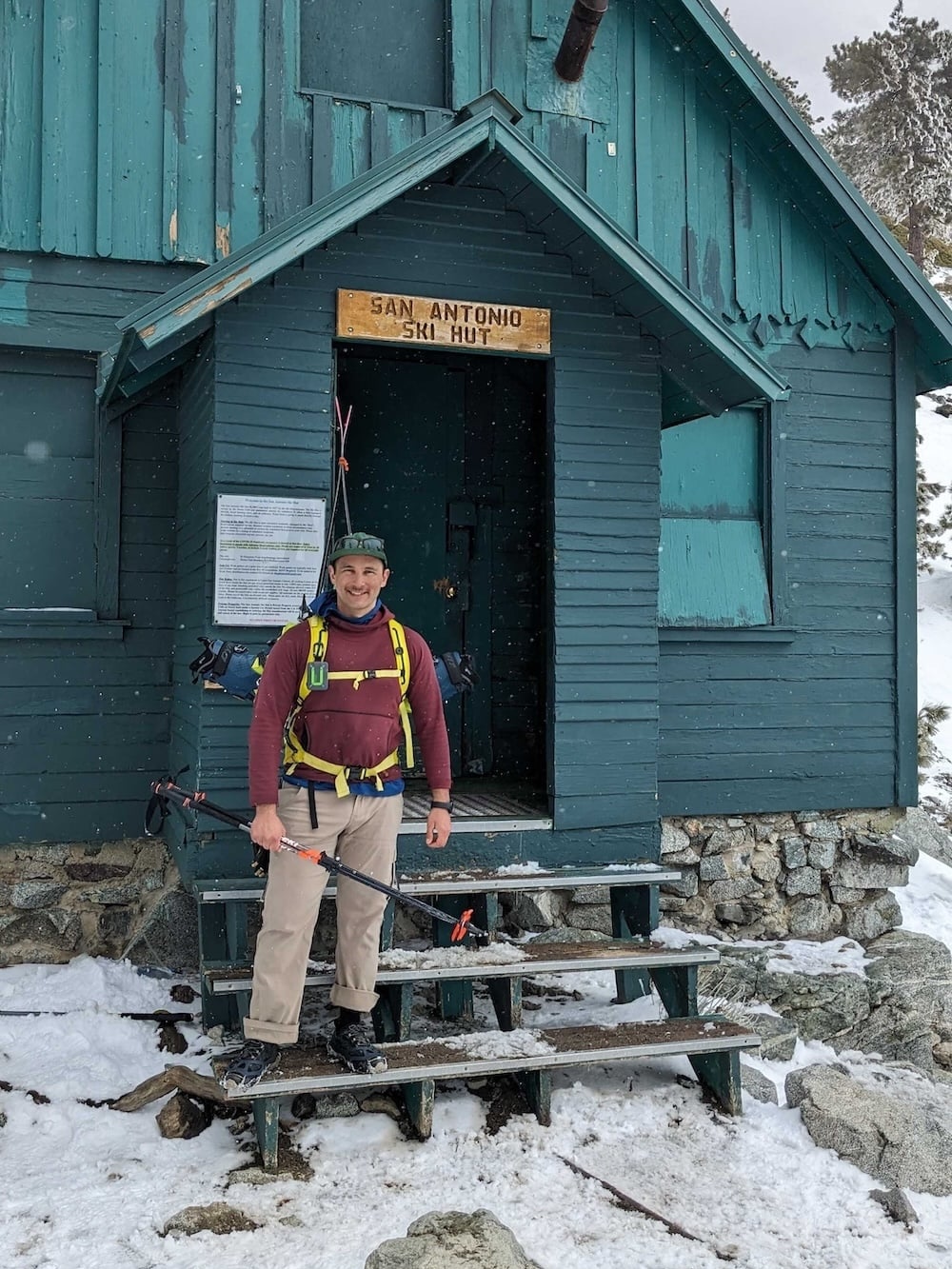
Michael joined CrossnoKaye's Applied Science Team a little over a year ago, bringing a PhD in Mechanical Engineering from UC Berkeley along with several years at Lawrence Berkeley National Lab, where he focused on real-time and model-free control and optimization for distributed energy resources on electricity grids. Outside of work, Michael spends most of his free time chasing summits; long and steep scrambles like Middle Palisade in the summer and backcountry skiing in the winter, with softball and pickleball in the mix year round.
To kick things off - what drew you to studying optimization of control policies during your PhD?
I've always been drawn to control systems and dynamic systems, going back to undergrad and my Masters. Early in my PhD, I was developing a software-based control system for optimizing distributed plug loads across a building. But it was when I applied similar techniques to the power grid that things really clicked. The grid might be one of the most important technological developments of the last century, it's powered so much of the later industrial revolution and contributes to the quality of life we experience today. And within it there's this huge range of modeling, control, and optimization challenges at every scale, all interconnected, yet often siloed. That mix of complexity is what pulled me into the power grid space.
What made you decide to bring that research into industry, and why CrossnoKaye specifically?
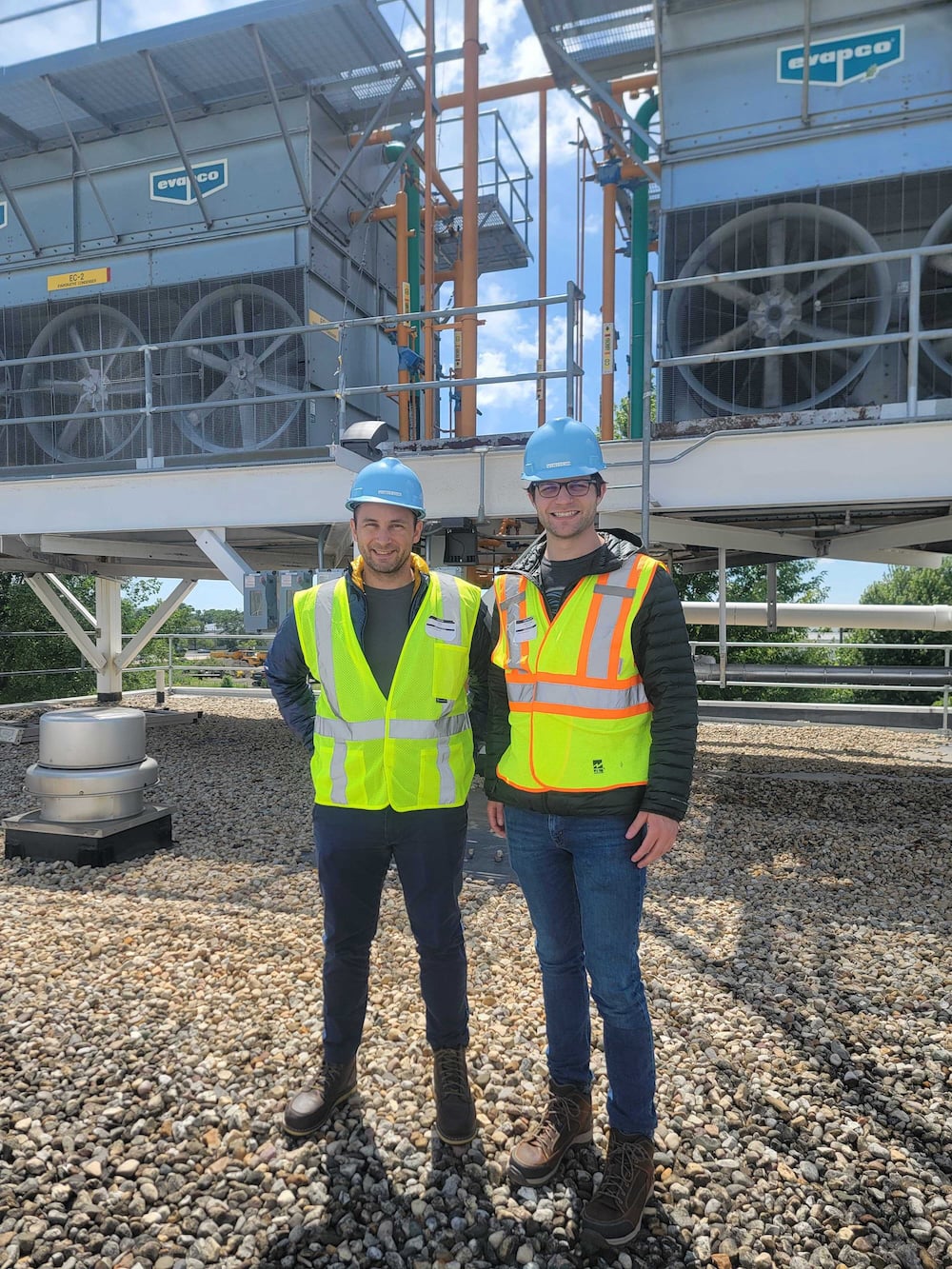
For one, what we’re working on at CrossnoKaye is an incredibly interesting problem. We’re controlling distributed equipment across individual heavy industrial facilities, all operating on different time scales, which is a compelling control and optimization problem in itself. Two, CrossnoKaye is doing live deployments, as opposed to work I'd done before that was more research-oriented or proof of concept. The fact that we’re actually applying these techniques to real facilities is pretty cool.
Can you walk us through a project where your background has really given you an edge?
A lot of my work involves the optimization system that helps schedule power usage, essentially figuring out the smartest way to run equipment given a complex set of constraints. My background in optimization has been really useful for keeping that system both scalable and understandable, rather than overly complex. That includes making sense of the results, figuring out when something's gone wrong, and building tools that let AI help translate all of that for people.
One project I worked on earlier this year was building an AI tool that translates what the optimization program is actually doing into plain language, for both our internal teams and our customers. Making sure the AI has the right context to explain these decisions clearly has been a really interesting problem to work on.
You just hit your one year anniversary. What's surprised you most about the work you’re doing here?
One thing that's really stood out is the pace we move at. Our team moves really fast; we push a deployment and then monitor closely over the next 24 hours to make sure everything performs as expected. Last year alone, we released over 9,000 control upgrades at running facilities. Coming from a more theoretical research background, that shift toward speed and real world validation was a fun change. There's still plenty of rigor, but at some point you trust the work and move forward. It's been a great way to see ideas turn into impact so much faster.
What's it like being part of the Applied Science team day to day?
The team has a really strong mix of complementary skills, and there's usually healthy debate as we work through updates to our systems, tools, and apps. We also work closely with the Product Success Team, who work directly with our customers and report on how things are performing. That gives us the chance to see the real world impact of our work firsthand. A lot of what our team does happens behind the scenes, like refining an optimization algorithm for example, so it's not always immediately visible. But collaborating closely with Product Success helps connect that work to something tangible.
Optimization and AI are colliding a lot right now, how is your team putting AI to work in what you're building?
Like everyone in the industry, we lean on AI for quick answers, writing code, and shaping our design approach. But where it's gotten really interesting is how we've woven it into our own tools to make sense of data faster and translate it into plain language.
Richard [a Staff Scientist on the Applied Science team] actually built an entire framework around agentic AI that can be applied to data from any device at any facility. So now, every scheduled run generates a report, and there's an AI tool that can tell you exactly where something went wrong or confirm a successful run. At this point, there's basically an agent working behind every process we run.
What advice would you give someone coming from academia or research thinking about making a similar jump?
People from a research background may already know this, but complex is not necessarily better. In research, you can chase every edge case because you're often testing on clean, simplified examples. But that approach doesn't scale in industry. Real systems come with real constraints, not just the math, but the data quality and equipment limitations you rarely deal with in a lab. My advice: aim for simple and scalable over perfect and complicated. Sometimes less is more.
Any final thoughts on your experience at CrossnoKaye?
I'm very glad I joined the team. It's been a great learning experience, and it's been fun to see the real world effects of the work. And the company culture is beyond excellent.

Stay Connected
Subscribe to stay in the loop on the latest industry news.
Related Posts